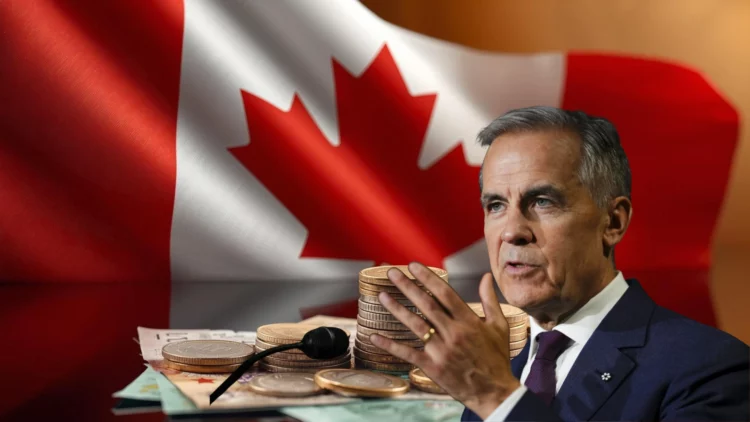
The announcement of a proposed $1,890 one-time payment in 2026 by Mark Carney has sparked widespread discussion among economists, policymakers, and everyday citizens. As inflation pressures, rising living costs, and economic uncertainty continue to affect households, this potential financial relief measure is drawing attention as a targeted response to ease financial burdens.
This article explores the proposal in depth, including who may qualify, when payments could be distributed, the broader economic implications, and what individuals should expect in the coming months.
Understanding the $1,890 One-Time Payment Proposal
The proposed $1,890 payment is being framed as a temporary relief initiative aimed at supporting individuals and families dealing with persistent economic pressures. Unlike recurring benefits or long-term welfare programs, this is designed as a single disbursement intended to provide immediate financial assistance.
Why a One-Time Payment?
Governments and policymakers often use one-time payments during periods of economic stress because they are:
- Quick to deploy compared to long-term policy changes
- Flexible for recipients, allowing them to use funds as needed
- Less fiscally binding than permanent benefit increases
The 2026 proposal appears to follow similar strategies used during past economic slowdowns or crises, where direct cash transfers were used to stimulate spending and provide short-term relief.
Key Objectives Behind the Payment
The payment is expected to serve several goals:
Supporting Household Budgets
With rising costs of essentials such as food, housing, and energy, many households are experiencing reduced purchasing power. A one-time payment can help cover immediate expenses or offset recent price increases.
Stimulating Economic Activity
When individuals receive direct payments, they tend to spend a significant portion of the funds quickly. This can boost local businesses and contribute to overall economic activity.
Targeted Financial Relief
Unlike broad tax cuts, a one-time payment can be directed toward those who need it most, making it a more efficient tool for addressing inequality and financial strain.
Who Is Expected to Qualify for the Payment?
Although final eligibility criteria have not been officially confirmed, early discussions and policy patterns suggest that the payment will likely be income-based and targeted toward specific groups.
Income Thresholds
Eligibility is expected to focus on low- to middle-income households. These groups are typically the most affected by inflation and economic volatility.
Likely Income Categories
- Low-income individuals and families
- Middle-income earners below a certain threshold
- Possibly phased-out benefits for higher-income groups
The exact income cutoffs will be crucial in determining how many people qualify and how the program is perceived in terms of fairness.
Employment and Tax Filing Status
Another key factor will likely be tax filing status. In many similar programs, eligibility is tied to recent tax returns.
Possible Requirements
- Filing a tax return for the most recent fiscal year
- Being a resident for tax purposes
- Having a valid identification or social security equivalent
This ensures that payments can be distributed efficiently using existing government systems.
Special Consideration Groups
Certain groups may receive priority or additional support under the program.
Seniors and Retirees
Older adults on fixed incomes are often disproportionately affected by rising costs, making them strong candidates for inclusion.
Families with Children
Households with dependents may receive either priority access or adjusted payments based on family size.
Individuals Receiving Benefits
Those already enrolled in government assistance programs may automatically qualify, streamlining the process.
Canada’s New 2026 Tax Law Saves Canadians Up to $840
When Will the $1,890 Payment Be Distributed?
Timing is a critical aspect of any financial relief program. While the proposal references 2026, the exact schedule will depend on legislative approval and administrative readiness.
Expected Timeline
Early 2026 Announcement Phase
Formal details, including eligibility rules and application processes, are likely to be finalized and announced during this period.
Mid-2026 Processing Period
Government agencies would begin verifying eligibility, processing applications if required, and preparing payment systems.
Late 2026 Distribution Window
Payments are most likely to be distributed in phases, either through direct deposits or mailed checks.
Payment Methods
The method of delivery will play a significant role in how quickly recipients receive funds.
Direct Deposit
This is typically the fastest and most efficient method, especially for individuals who have provided banking details through tax filings.
Paper Checks
For those without direct deposit information on file, payments may be sent via mail, which can take longer.
Digital Payment Systems
Some governments are increasingly exploring digital wallets or secure online platforms for disbursements.
Economic Impact of the Proposed Payment
The introduction of a large-scale one-time payment has implications beyond individual households. Economists are closely watching how such measures affect inflation, spending, and fiscal policy.
Short-Term Economic Boost
One immediate effect is increased consumer spending. When people receive extra cash, they are more likely to spend it on goods and services.
Sectors Likely to Benefit
- Retail and consumer goods
- Grocery and essential services
- Local businesses and small enterprises
This injection of spending can provide a temporary boost to economic growth.
Inflation Considerations
A key concern with direct payments is their potential impact on inflation.
Balancing Relief and Price Stability
If too much money enters the economy too quickly, it could contribute to rising prices. Policymakers must carefully calibrate the program to avoid unintended consequences.
Fiscal Responsibility
Funding such a program requires careful budgeting.
Possible Funding Sources
- Government reserves or surplus funds
- Reallocation of existing budgets
- Increased borrowing
Each option carries trade-offs in terms of long-term fiscal health.
How This Payment Compares to Previous Relief Programs
The proposed $1,890 payment is not without precedent. Similar initiatives have been implemented in various countries during times of economic stress.
Pandemic-Era Stimulus Payments
During global economic disruptions, many governments issued direct payments to citizens.
Key Similarities
- One-time or limited payments
- Income-based eligibility
- Focus on rapid economic support
Key Differences
- The 2026 proposal may be more targeted
- Lessons learned from past programs may improve efficiency
Cost-of-Living Adjustments
Some governments have provided temporary payments specifically tied to rising living costs.
These programs often focus on essentials such as energy bills or housing, whereas the $1,890 payment appears more flexible in its intended use.
What Individuals Should Do to Prepare
Even though the program is not yet finalized, there are several steps individuals can take to ensure they are ready if it is approved.
Keep Financial Records Updated
Accurate and up-to-date tax records will likely be essential for eligibility.
Important Actions
- File tax returns on time
- Update personal information with relevant authorities
- Ensure banking details are current
Monitor Official Announcements
Misinformation can spread quickly around financial programs.
Reliable Sources
- Government websites
- Official press releases
- Recognized financial institutions
Staying informed will help individuals avoid scams and understand their eligibility.
Plan How to Use the Payment
While it may be tempting to spend the money immediately, planning can maximize its impact.
Smart Uses for the Payment
- Paying down high-interest debt
- Building or replenishing emergency savings
- Covering essential expenses
- Investing in education or skill development
Potential Challenges and Criticisms
No policy proposal is without debate, and the $1,890 payment is likely to face scrutiny from various perspectives.
Concerns About Targeting
Some critics argue that determining eligibility can be complex and may exclude individuals who still need support.
Administrative Complexity
Implementing a nationwide payment system requires coordination across multiple agencies, which can lead to delays or errors.
Long-Term Effectiveness
While one-time payments provide immediate relief, they do not address underlying structural issues such as wage stagnation or housing affordability.
The Broader Policy Context
This proposal is part of a larger conversation about how governments respond to economic challenges.
Shift Toward Direct Cash Transfers
In recent years, direct payments have gained popularity as an efficient way to deliver support.
Balancing Short-Term Relief and Long-Term Reform
Policymakers must balance immediate assistance with sustainable economic strategies that address root causes.
Final Thoughts on the $1,890 One-Time Payment Proposal
The proposed $1,890 one-time payment for 2026 represents a significant potential intervention aimed at easing financial pressures on households. While many details remain to be finalized, the initiative highlights a growing reliance on direct financial support as a policy tool.
For individuals, the key takeaway is to stay informed, ensure financial records are accurate, and plan ahead. For policymakers, the challenge will be designing a program that delivers meaningful relief without creating unintended economic consequences.