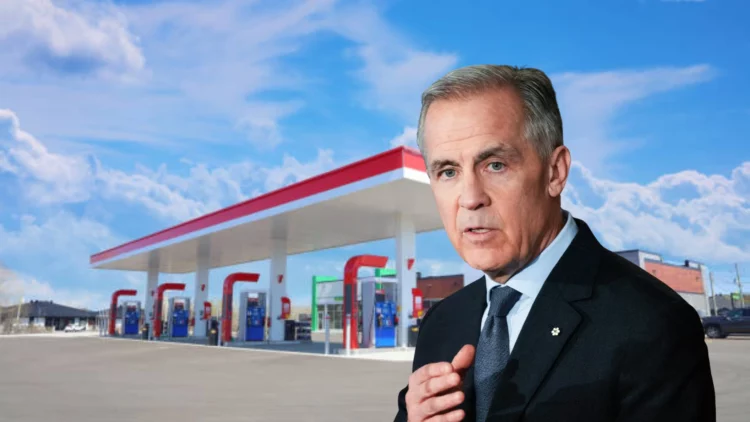
Starting February 26, 2026, motorists across the country will experience a noticeable increase at the fuel pump. Petrol prices are forecasted to rise by $0.25 per litre, ending a period of relative stability in fuel costs and introducing new financial pressures for households, commuters, and businesses alike.
Fuel costs are a fundamental part of daily living and business operations. An increase of this magnitude is not just a minor adjustment—it has cascading effects across transportation, consumer goods, and the broader economy. Understanding the reasons behind the hike, its potential impact, and strategies to mitigate costs will be essential for anyone relying on petrol in the coming months.
This comprehensive guide explores why petrol prices are rising in February 2026, the consequences for different sectors, and practical steps consumers and businesses can take to adapt.
Why Petrol Prices Are Rising in February 2026
Global Oil Market Pressures
One of the primary factors driving the $0.25 per litre petrol increase is the fluctuation in global crude oil markets. Crude oil prices are influenced by international supply and demand dynamics, geopolitical events, production adjustments by major exporting countries, and global consumption patterns.
When crude oil prices rise, refiners and distributors face higher costs, which eventually pass on to consumers at the pump. The projected February 2026 increase reflects sustained upward pressure in global oil markets, driven by a combination of production cuts in key regions and recovering demand from global economies.
Tax Adjustments and Regulatory Costs
Domestic factors also contribute to rising petrol prices. Adjustments to fuel taxes, carbon pricing initiatives, and environmental levies often influence the final cost per litre. Governments periodically revise these taxes to fund road infrastructure, environmental programs, and public transportation initiatives.
The anticipated $0.25 per litre increase in February 2026 may partially result from scheduled regulatory updates. These adjustments are designed to support infrastructure development and environmental sustainability but directly affect what drivers pay at the pump.
Refining and Distribution Expenses
The cost of refining and distributing petrol also impacts retail prices. Refinery capacity constraints, maintenance schedules, and supply chain challenges can tighten fuel availability, pushing prices upward. Transportation and logistics—covering trucking, shipping, and storage—add another layer of cost, particularly in regions where distribution distances are long or infrastructure is limited.
Together, global oil trends, regulatory adjustments, and supply chain pressures create the conditions for the upcoming fuel price rise.
How the $0.25 Per Litre Petrol Increase Will Impact Drivers
Direct Costs to Motorists
A $0.25 per litre increase might seem small in isolation, but the effect accumulates quickly. For example, a driver filling a 50-litre tank will pay an additional $12.50 per fill. Over a month, assuming weekly refueling, this could add approximately $50 to household expenses, and over a year, the total increase may reach several hundred dollars depending on driving habits.
Long-distance commuters, ride-share drivers, and delivery operators will feel this increase most acutely. Even those who drive less frequently will notice the incremental rise when filling up.
Increased Household Expenses
Higher petrol costs rarely remain isolated at the pump. Transportation costs are embedded in the price of goods and services. When fuel prices rise, delivery and logistics expenses increase, which can lead to higher prices for groceries, retail goods, and essential household items.
The $0.25 per litre increase in February 2026 is therefore expected to have a ripple effect, influencing broader household budgets beyond direct fuel expenses.
Economic Implications of Rising Petrol Prices
Effects on Businesses
Businesses that rely heavily on transportation, such as logistics companies, delivery services, and ride-share platforms, will face higher operational costs. These costs may be passed on to consumers through increased service fees or product prices. Small businesses operating with tight profit margins may experience the greatest strain.
Even businesses that do not directly rely on fuel may feel secondary effects through increased supply chain costs.
Inflationary Pressures
Fuel prices are a major factor in overall inflation. A $0.25 per litre increase can contribute to modest inflationary pressure, affecting the broader economy. Central banks closely monitor energy prices, as prolonged increases can influence monetary policy decisions and interest rate considerations.
Regional Differences in Petrol Prices
Not all areas will experience identical price increases. Regional factors such as local fuel taxes, supply logistics, and competition among petrol retailers can cause variations in how much prices rise in different cities or towns. Drivers in remote or high-demand regions may see higher-than-average increases.
Cost Contribution Breakdown
| Factor Influencing Price | Contribution to Increase | Impact on Consumers |
|---|---|---|
| Global crude oil costs | High | Raises base fuel price |
| Fuel taxes | Moderate | Adds directly to pump price |
| Carbon pricing | Moderate | Environmental levy included |
| Refining costs | Variable | Influences availability and price |
| Transportation & logistics | Moderate | Regional price variation |
This breakdown clarifies why a $0.25 per litre petrol hike is expected starting February 26, 2026.
Long-Term Trends in Fuel Pricing
Historical Context
Petrol prices have historically experienced fluctuations driven by global energy trends. Short-term drops can occur during periods of reduced demand, but over time, fuel prices tend to rise gradually in line with economic growth and energy market developments.
The February 2026 increase is consistent with historical cyclical adjustments, reflecting both supply constraints and demand recovery.
Transition to Alternative Energy
The global push toward renewable energy and electric vehicles is reshaping traditional fuel markets. While these transitions may eventually stabilize or reduce demand for petrol, adoption rates remain uneven. In areas where electric vehicle uptake is slower, petrol demand continues to drive market dynamics.
The $0.25 per litre increase also reflects transitional market pressures as economies balance traditional energy needs with sustainable alternatives.
Practical Steps Drivers Can Take to Manage Rising Fuel Costs
Adjust Driving Habits
Fuel-efficient driving can significantly reduce the impact of higher petrol prices. Strategies include:
- Planning trips to combine errands into a single journey
- Maintaining proper tire pressure to improve fuel efficiency
- Avoiding aggressive acceleration and braking
- Using cruise control on highways to maintain steady fuel consumption
Even small adjustments can help offset part of the projected $0.25 per litre increase.
Consider Fuel-Efficient Vehicles
For those looking at longer-term solutions, switching to hybrid, electric, or more fuel-efficient vehicles can lower ongoing fuel expenses. While the upfront cost may be higher, the long-term savings can be substantial as petrol prices continue to rise.
Monitor Fuel Prices
Comparing prices between petrol stations and using fuel price tracking tools or apps can help drivers find the most competitive rates. Small differences per litre can accumulate over time, making this a practical way to save.
Broader Consumer Implications
Travel Plans and Commuting Choices
Rising fuel costs may influence travel behavior. Families planning road trips or daily commutes may need to revise budgets and consider cost-effective alternatives. Some may shift to carpooling, while others might explore public transport options.
Public Transportation Usage
Higher petrol prices can increase the attractiveness of public transportation. Switching to buses, trains, or shared commuting options reduces individual fuel expenses while supporting sustainable travel initiatives.
Budget Reallocation
Households will likely need to adjust monthly budgets to accommodate rising petrol costs. Anticipating increased spending on fuel allows families to manage other expenses more effectively, minimizing financial stress.
Government and Policy Considerations
Revenue Allocation
Fuel price increases linked to taxes often fund road maintenance, infrastructure projects, and environmental programs. While this creates additional costs for consumers, these funds are typically invested in long-term public benefits.
Consumer Support Measures
In some cases, governments may implement temporary rebates or assistance programs for households most affected by fuel price hikes. Monitoring policy announcements will help consumers access potential support.
The February 2026 petrol price increase is expected to remain a topic of policy discussion, balancing the need for revenue and infrastructure funding with consumer affordability.
Conclusion
The forecasted $0.25 per litre petrol price increase starting February 26, 2026 represents a significant development for drivers, households, and businesses. Influenced by global oil markets, domestic regulations, and supply chain factors, this rise will be felt locally at petrol stations across the country.
While the increase may appear small per litre, its cumulative effect over months and years can significantly influence household budgets, commuting costs, and business operations. Preparing in advance by adjusting driving habits, exploring fuel-efficient vehicles, and monitoring prices can help mitigate the financial impact.